
UGC Usage Rights in Ads: The Clauses That Save You
Avoid UGC licensing disputes with clear clauses for paid vs. organic, platforms, duration, whitelisting, edits, and exclusivity—written for brands and creators.
Why UGC rights disputes happen (and why ads make it worse)
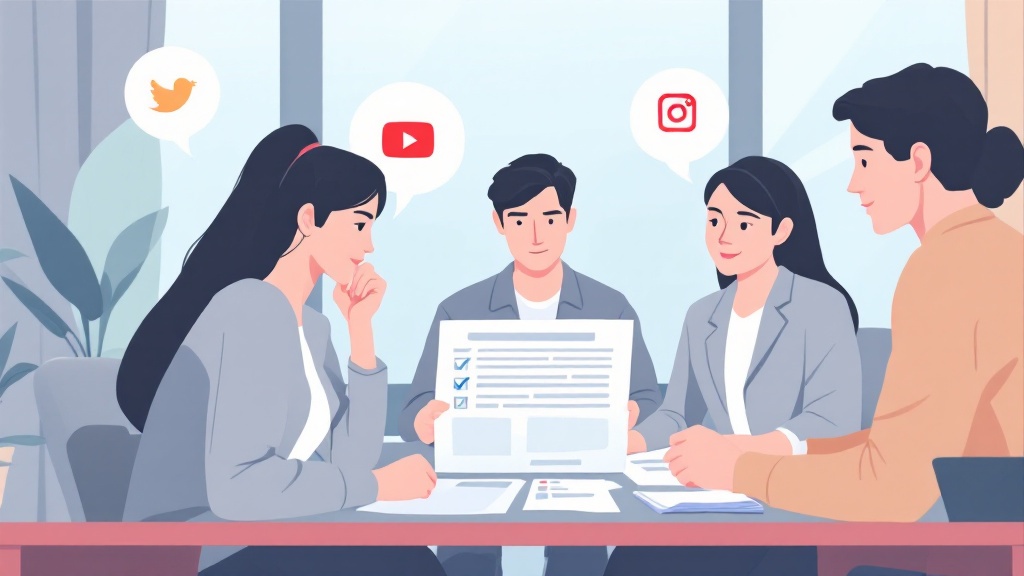
UGC performs because it feels native—but that “native” vibe also makes teams casual about paperwork. In the creator-economy, the most common disputes aren’t about the video itself; they’re about how the video gets used after delivery. When deals live in DMs and spreadsheets, terms like “full rights” or “use it for ads” are interpreted differently by the brand, the agency, and the creator. That’s how scope creep, takedown requests, and surprise invoices show up mid-campaign.
Paid-social amplifies the risk because distribution is measurable, fast, and multi-platform. A clip posted organically on TikTok is one thing; running it as an ad across TikTok, Reels, and YouTube Shorts—then repurposing it into a landing page—changes the value and the compliance obligations.
The fix is not more complexity; it’s precise licensing language. Treat UGC usage rights like an adtech contract: specify the “where,” “how,” and “how long,” plus who can access the creator handle for whitelisting and what edits are allowed to stay ad-compliance safe.
The six clauses that protect both brands and creators
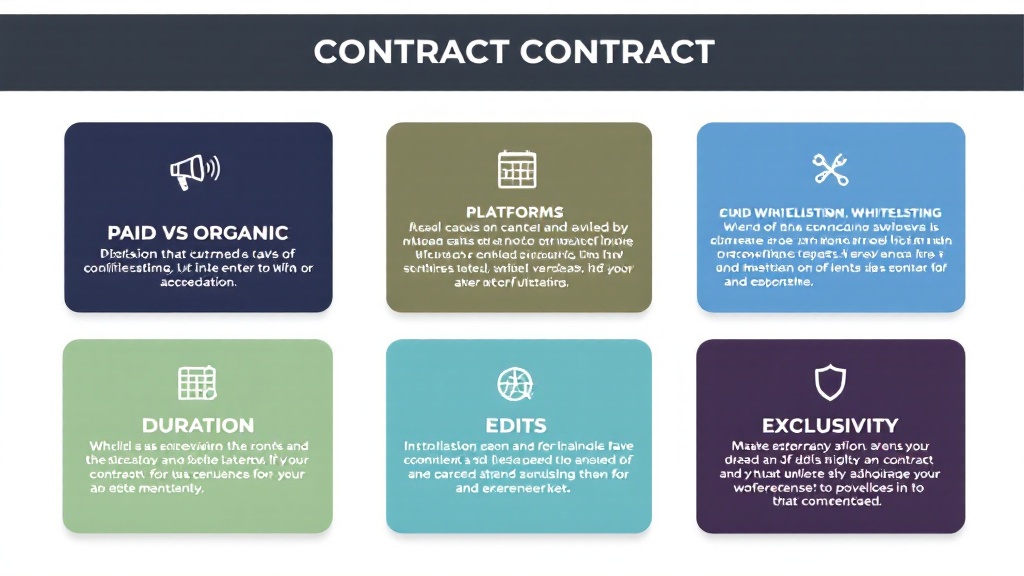
1) Paid vs. organic: Define whether the brand can run the content as an ad. “Organic usage only” should prohibit ad spend and dark posts. 2) Platforms: List channels explicitly (e.g., TikTok, Instagram, Facebook, YouTube, Pinterest, Amazon listings). Vague “all social” often triggers conflict when ads expand.
3) Duration + start date: State a clear term (e.g., 60 days) and when it begins (final approval, first ad impression, or delivery). Without this, brands may assume perpetual rights while creators price for a limited window. 4) Whitelisting / Spark Ads / handle access: Specify whether the creator must authorize ads through their account, for which platforms, and for how long; include who pays if re-authorization is needed.
5) Edits & derivative works: Clarify if the brand can crop, subtitle, remix, or cut into new variants. Creators often allow light edits but not voiceover changes that alter meaning. 6) Exclusivity: Define category, geography, and time. “No competing brands” is too broad; “no other skincare ads in North America for 30 days” is enforceable and fair.
Clause patterns that prevent real-world blowups (plus a simple checklist)
Here’s how vague language creates expensive moments. Scenario: a brand buys “full rights,” then runs the video as paid-social on Meta and TikTok for six months. The creator priced for a 30-day license and sends an invoice—or files a takedown. Another: the brief never mentions whitelisting, but the media buyer needs Spark Ads access on launch day. The creator hesitates (or charges extra) and performance windows close.
Use clause patterns that read like this: “License: non-exclusive, worldwide, paid + organic. Platforms: TikTok + Instagram only. Term: 60 days from first ad impression. Whitelisting: creator to authorize TikTok Spark Ads for 60 days; re-auth billed at $X. Edits: brand may crop, add captions, and cut 15s/30s variants; no changes that introduce claims. Exclusivity: none / or category-limited for Y days.” That’s clear, searchable, and ad-compliance friendly.
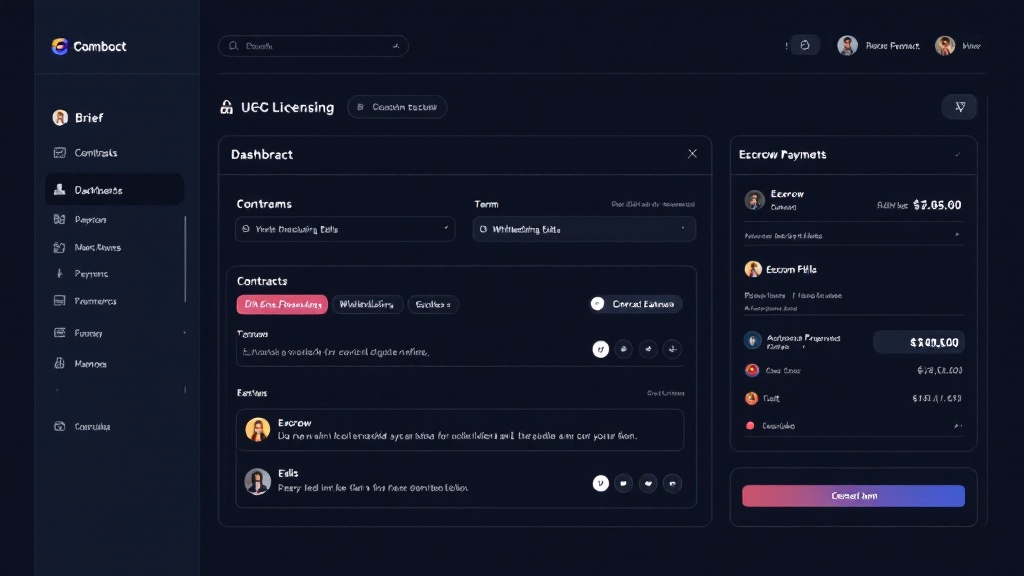
Finally, operationalize it. A marketplace workflow like UGCRights Exchange pairs standardized licensing with escrow milestones and versioned delivery, so the “what you bought” and “what you can run” stay aligned—protecting ugc creators and buyers alike.